Perfect Doesn't Mean Flawless: A Practical Guide to Real Estate Deals
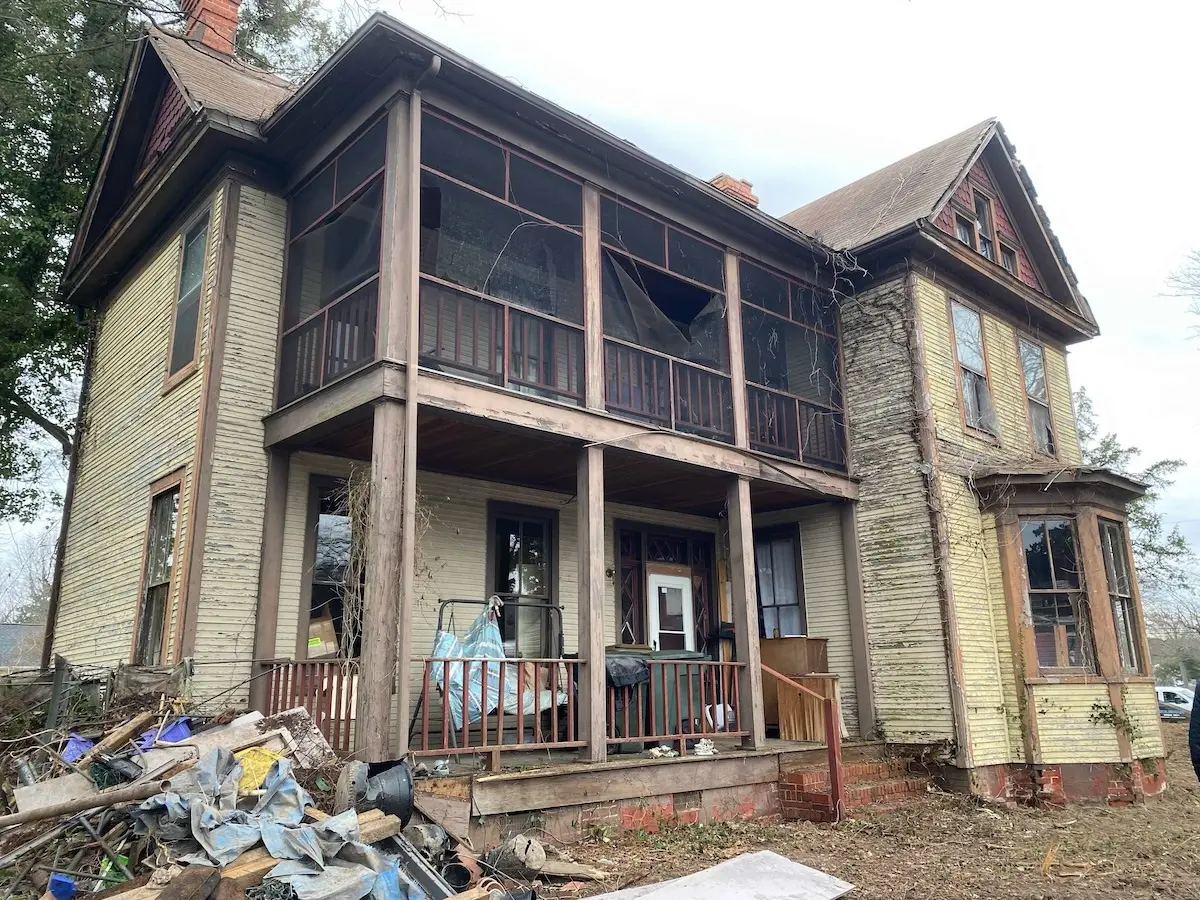
In business and real estate, waiting around for a "perfect" deal is a quick way to watch great opportunities pass you by.
It’s completely natural to want zero risk, spotless paperwork, and a smooth path from start to finish. But here’s the reality every seasoned investor eventually learns: a truly successful transaction is rarely immaculate on day one. "Perfect" doesn't mean flawless—it just means the deal is complete, legally sound, and mature enough to protect your interests.
If you only hunt for deals that look immaculate from the moment you lay eyes on them, you’re usually going to miss where the real value lies. The cleanest-looking properties on paper are often priced to the moon or lack any meaningful upside. The real wins—the high-yield, game-changing deals—often come with a few wrinkles. Maybe there’s a minor paperwork gap, an outdated permit, or an unrecorded easement. With the right strategy and practical legal guidance, those wrinkles are usually straightforward to smooth out.
A Real-Life Story: Seeing Value Where Others See Flaws
Take a fast-growing logistics company looking for a distribution center. They stumbled onto a warehouse in a prime industrial strip, listed at a surprisingly good price. But during due diligence, two speedbumps popped up: a forgotten municipal drainage easement from ten years prior and an expired certificate of occupancy.
A rigid, overly cautious advisor might have panicked, thrown their hands up, and told the company to walk away immediately. But a practical team took a closer look at what those issues actually meant on the ground. The city had rerouted the drainage line years earlier, so it didn't even touch the building footprint anymore. And as for the occupancy certificate? The local building department just needed a routine safety walkthrough to bring it current.
Instead of walking away, the company put a few smart safeguards in place. They set up an escrow holdback—keeping a slice of the seller’s payout until the building department signed off—and picked up title insurance to cover the legacy easement. The deal closed smoothly, and within two years, the property appreciated by thirty percent. What looked like a broken deal at first glance was really just a mature, highly profitable opportunity in disguise.
Smart Guardrails: Protect Yourself Without Killing the Deal
Being open to imperfect deals doesn't mean being careless. The trick is knowing how to protect your downside while you clean up the flaws:
- Tie Your Cash to Real Milestones: Never sign off on a final closing until key issues are sorted out. Build your contract so that final funding depends on clear, verifiable conditions—like getting the title company’s full approval or securing necessary municipal sign-offs.
- Hold Money in Escrow: If the seller promises to fix an issue or clean up paperwork after the ink is dry, hold back a percentage of the purchase price in a neutral escrow account. Nothing motivates a seller to finish their homework quite like withheld funds.
- Get Bulletproof Warranties and Indemnities: Make sure your agreement includes clear representations from the seller about the property’s legal and physical condition, backed by strong indemnity clauses. If a pre-existing problem rears its head later, the seller stays on the hook financially—not you.
Red Flags: Knowing When a "Flaw" is Actually a Trap
While minor paperwork blips and missing permits can usually be resolved, some issues are non-negotiable deal-killers. You need to know when you're looking at a manageable project versus an unmitigated liability:
- Evasive Sellers and Missing Paperwork: If a seller dodges basic due diligence questions, hesitates to offer standard title guarantees, or can't produce a clear paper trail showing how they acquired the property, back away. That’s not a fixable flaw; it’s a warning sign for title fraud or concealed liabilities.
- Active Lawsuits and Ownership Feuds: If the property is tied up in an ongoing inheritance battle, pending court injunctions, or a foreclosure dispute, step aside. Fighting over ownership in court can freeze your capital for years.
- Uninsurable Titles and Major Zoning Failures: If a reputable title company outright refuses to insure the property, or the city confirms the building fundamentally violates non-negotiable zoning laws, no amount of clever contract writing can fix it.
The Bottom Line
Winning in real estate isn't about finding a property with zero problems. It's about knowing which problems are easy fixes and which ones are landmines. When you pair a pragmatic mindset with solid legal guardrails, you can step up and claim the high-value opportunities everyone else was too hesitant to touch.
Inspired by original legal insights from Simon Akinlabi.